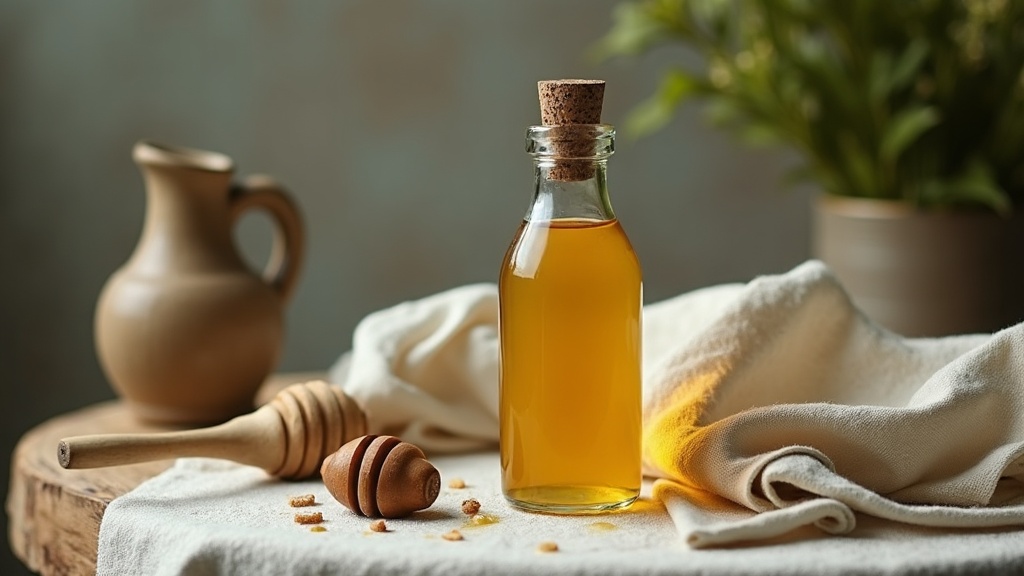
Long before glucose meters existed, families closed a meal with a warm cup — often built around Biblical drink (oil)/ Honey blend. This page looks at that custom as a piece of everyday food culture, not as a treatment for any condition.
Anyone who pays attention to their blood sugar knows the day rarely goes as planned. Here are four familiar patterns, described as everyday experience — not as diagnosis.
Energy climbs, then drops hard by mid-afternoon, leaving many reaching for coffee or a nap just to get through the rest of the day.
Waking up already worn out, before the day has even begun, is a pattern many people notice long before they ever think to mention it to anyone.
Conflicting advice about carbs, fruit, and 'safe' foods leaves many people second-guessing every plate, every day, without a clear sense of direction.
Planning each meal around blood sugar can feel like a full-time job, adding mental load to something that used to be simple: eating.
Kitchen talk is full of shortcuts and half-truths. Here’s a closer look at three common ones.
All carbohydrates are the enemy.
Carbohydrates are one part of a meal among many; the wider conversation is about balance, portion, and pattern over time — best discussed with a registered dietitian or physician.
Fruit should be avoided entirely.
Whole fruit comes with fiber and other nutrients not found in isolated sugar; how it fits into someone’s plate is an individual question for their care team, not a blanket rule.
There’s a special category of ‘diabetic food’.
Most food isn’t inherently diabetic or non-diabetic — it’s the overall eating pattern, discussed with a healthcare professional, that matters more than any single label on a package.
None of this replaces medical guidance — it’s simply how some people structure the physical act of eating. Always check any change against what your doctor already knows about your care.
Some people choose to eat vegetables and protein first, saving starches for later in the meal — a habit rooted in pacing, not in any rule about cure or control.
Eating slowly, chewing fully, and putting utensils down between bites is a habit tied to mindfulness and digestion, not a medical intervention.
A short, gentle walk after a meal is a long-standing habit in many cultures — simple movement, nothing more, and never a substitute for medical advice.
Honey and oil appear together throughout some of the oldest recorded meals in human history, often paired with warm herbal infusions served at the close of a meal. In many traditional kitchens, this combination was less about any single ingredient and more about the ritual of pausing after eating — a moment of tea, conversation, and rest before returning to the day. Biblical drink (oil)/ Honey blend, as it’s known today, borrows from that same custom: a warm cup enjoyed the way earlier generations enjoyed theirs, as part of hospitality and the rhythm of a shared table.
This is a story about culinary heritage — not a claim about what happens inside the body. Any change to diet, supplements, or routine should be discussed with the healthcare professional who already knows your history.
If energy feels unusually unpredictable across the day, that's a detail worth bringing up at your next appointment rather than trying to interpret on your own.
Waking up tired despite a full night's sleep is worth mentioning to the professional who already follows your health history.
Noticeable shifts in thirst or appetite are the kind of detail your doctor is best positioned to put into context.
Any unplanned change in weight, in either direction, deserves a conversation with your care team rather than a guess at the cause.
Tingling, unusual fatigue, or anything that feels different from your normal baseline is worth raising with your doctor directly.
If you're ever unsure whether a habit, food, or supplement fits your situation, the right next step is asking your doctor — not adjusting anything on your own.
These are individual accounts shared for illustrative purposes only. They describe personal routines, not medical outcomes, and are not a guarantee of any experience, result, or health outcome. Always consult your healthcare provider before changing your diet, habits, or any prescribed treatment.
Watch the complete video to see how Biblical drink (oil)/ Honey blend fits into an everyday after-meal ritual — and remember to keep your regular medical follow-up and speak with your doctor before changing anything about your diet or treatment.
Advertising Disclosure: This is sponsored content created for informational and advertising purposes. This page may contain affiliate links, and we may earn a commission from qualifying purchases at no additional cost to you. All opinions expressed are our own and this content has been compensated by the advertiser.
Content Disclaimer: This content is for educational purposes only and has not been evaluated by the Food and Drug Administration. It is not intended to diagnose, treat, cure, or prevent any disease and is not a substitute for professional medical advice, diagnosis, or treatment. Always seek the advice of your physician or other qualified health provider before making any changes to your diet, routine, or any prescribed treatment.
Results Disclaimer: Individual results vary. Any testimonials, examples, or outcomes described on this page are not typical and are not a guarantee of any specific result. Your experience may differ.
© 2026 · All Rights Reserved